Drywall finish levels are a standardized system defined in GA-214 by the Gypsum Association. Each level describes how much finishing work is applied to the board before the surface is considered complete. That means every level has a scope definition, an appropriate use case, and a cost impact.
The system is not difficult to understand, and using it correctly prevents paint failures, clarifies contractor quotes, and helps you match the wall quality to the room instead of paying for a generic promise like "paint-ready." If you are already in the mud stage, read our How to Tape Drywall guide for the full three-coat sequence that gets a room from Level 0 to Level 4.
- The exact definition of every finish level from 0 to 5
- What work is performed at each level
- Where each level belongs and where it does not
- The cost difference between levels
- The common specification mistakes that lead to visible seams and failed paint jobs
- How to identify the finish level already on your walls
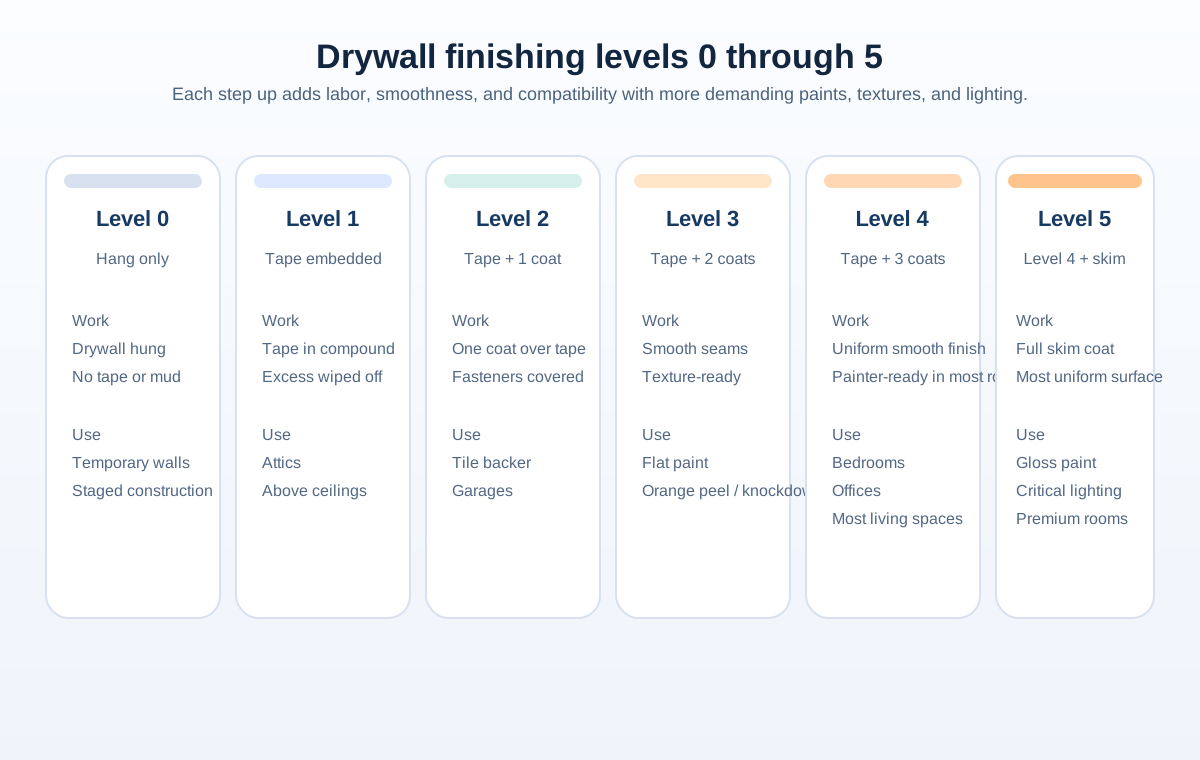
Drywall finishing levels run from Level 0, which is no finishing at all, to Level 5, which is the standard seam sequence plus a full skim coat over the entire surface. For textured walls or flat paint, Level 3 may be enough. For eggshell or satin paint, Level 4 is the normal minimum. For gloss paint or critical lighting, Level 5 is the correct specification. [1] [2] [3]
Size the Surface First
Before you compare Level 3, Level 4, and Level 5 pricing, use the calculator to estimate the square footage you are actually paying to finish.
Open the free Drywall CalculatorPart 1: The Standard - What Is GA-214?
Where Finish Levels Come From
Drywall finish levels are not informal contractor slang. They come from GA-214, the Gypsum Association document titled Recommended Levels of Finish for Gypsum Board, Glass Mat, and Fiber-Reinforced Gypsum Panels. [2]
The standard was developed jointly by the Gypsum Association, AWCI, CISCA, PDCA, and AWI so architects, drywall contractors, painters, and inspectors would all have the same vocabulary for wall quality. When a specification says Level 4 finish, every party is supposed to know what work is included and what kind of surface should result. [2] [3]
Part 2: Level 0 - No Finish
The Starting Point
Level 0 is not really a finish. It means drywall is hung and fastened, but there is no tape, no compound, no fastener filling, and no sanding. [1] [2]
In practice, Level 0 exists to define the baseline. It is appropriate for temporary walls, staged construction, or surfaces that will be covered before occupancy. It is not appropriate for any visible finished room. [1] [4]
Part 3: Level 1 - Tape Embedded, No Finish Coat
Fire-Rated Assemblies and Hidden Spaces
Level 1 means tape is embedded in joint compound and the excess is wiped away. Tool marks are acceptable. Screw dimples are not fully finished. The surface is rough, the tape is visible, and the wall is not ready for paint. [2] [3]
Use Level 1 above drop ceilings, in attics, in service plenums, and in other concealed spaces that occupants will never see. The goal is closure of the joints, not appearance. [2] [4]
$0.15 - $0.25 per square foot
Finishing labor only, not including board hanging. [4]Part 4: Level 2 - One Coat Over Tape
Tile Backer and Utilitarian Spaces
Level 2 adds one coat of joint compound over the tape and covers fastener heads and accessories once. The tape texture can still be seen, the surface is not smooth, and it is still not ready for decorative paint. [1] [2] [3]
Level 2 is the correct specification under tile, in garages, in storage rooms, and in utility or mechanical spaces where appearance is secondary. It also makes sense under heavy acoustic or spray textures that completely cover the substrate. [1] [2] [4]
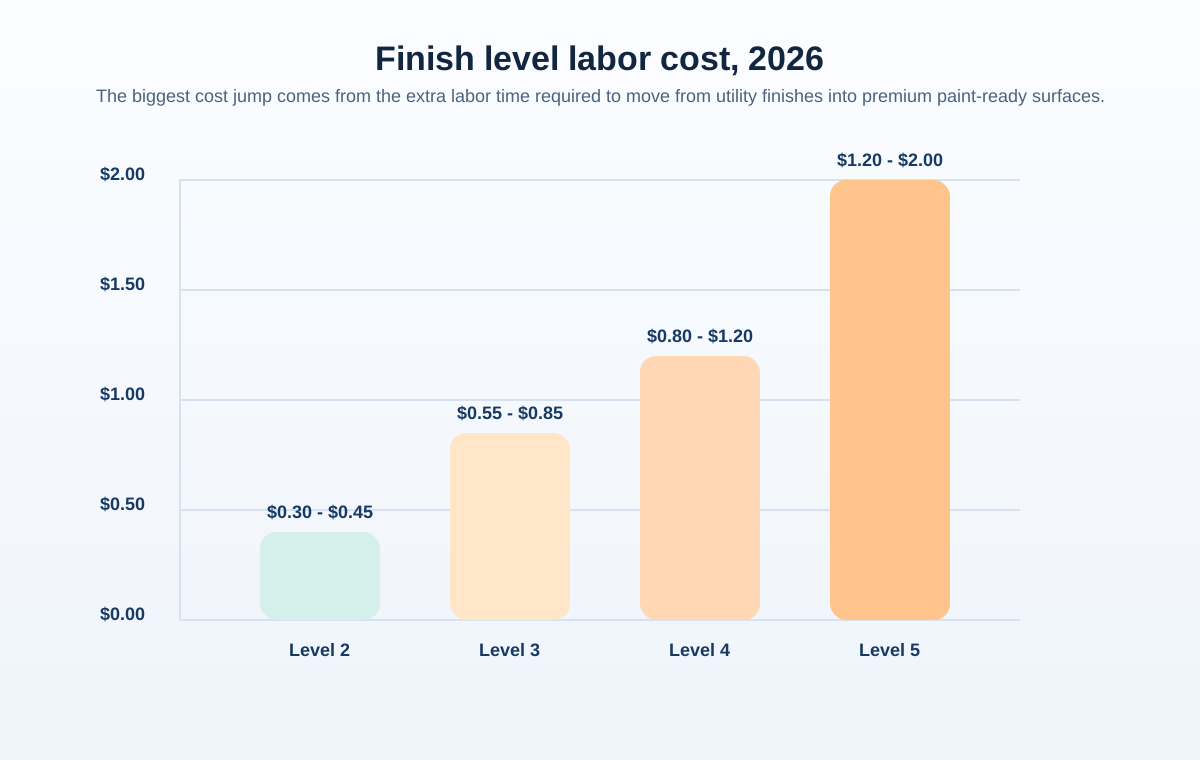
$0.30 - $0.45 per square foot
Finishing labor only. [4]Part 5: Level 3 - Two Coats Over Tape
The Standard Residential Finish
Level 3 is the first level that starts to feel like a finished wall. Tape is embedded, two additional coats are applied over joints, corners, fasteners, and accessories, and the surface is smoothed so obvious tool marks are removed. [2]
Level 3 is common on residential walls that will receive medium or heavy texture, flat paint, or both. If orange peel, knockdown, or skip trowel is definitely part of the finish system, Level 3 can be enough. If the plan changes to smooth eggshell paint, Level 3 usually becomes visibly inadequate. [1] [3] [4]
This is why finish level and taping sequence belong together. If the room is headed toward a higher finish, the workmanship in the three-coat sequence from How to Tape Drywall matters more than any later sanding shortcut. Level 3 is not just "less work than Level 4." It is a different finish target that assumes texture or forgiving paint will help hide minor surface variation. [1]
$0.55 - $0.85 per square foot
Finishing labor only. [4]Part 6: Level 4 - Three Coats Over Tape
The Premium Residential Standard
Level 4 is the finish most people mean when they say they want drywall ready for paint. It adds a third finish coat over the seam system, producing a more uniform surface that works with most residential paint sheens and typical wallcovering. [1] [2] [4]
The real difference between Level 3 and Level 4 is one additional coat, but that extra coat changes the finished wall significantly. It builds seam areas closer to the panel face, reduces flashing between board and compound, and gives painters a surface they can usually work with in normal rooms. [1] [3]
Level 4 is the correct starting point for bedrooms, living rooms, hallways, offices, and most finished spaces that will be smooth-painted. It is also the minimum most painters expect if they are applying eggshell or satin. It can still struggle in hard sidelight or under semi-gloss. [1] [3]
$0.80 - $1.20 per square foot
Finishing labor only. [4]Part 7: Level 5 - Three Coats + Full Skim Coat
The Highest Standard - When Nothing Less Will Do
Level 5 is the highest finish level in GA-214. It includes the normal seam sequence plus a thin skim coat applied across the entire wall surface, not just over the joints. That skim coat creates a more uniform paint substrate and is the level used for gloss paint, high-end finishes, and critical lighting conditions. [1] [2] [3]
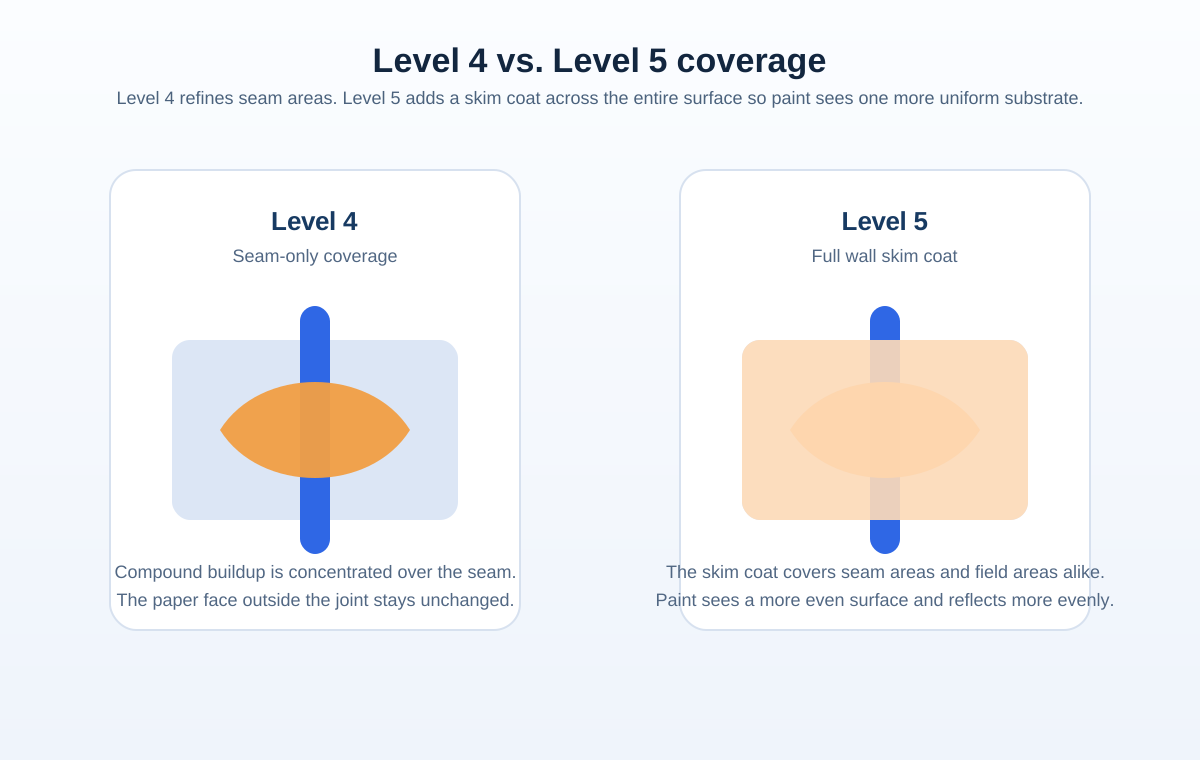
The main issue Level 5 solves is differential absorption. On lower finish levels, the paper face and the compound areas absorb paint differently, which can reveal seam locations even when the wall feels smooth. The skim coat makes the surface more uniform, which is why Level 5 performs better under large windows, skylights, gloss paint, and any room where a strong light source rakes across the wall at an angle. [1] [3]
Level 5 is required when the room will receive gloss or high-gloss paint, or when the lighting is unforgiving enough that a Level 4 wall will still reveal seams. It is often specified in luxury residential rooms, executive offices, hotel feature spaces, and any interior where finish quality is non-negotiable. [1] [2] [4]
$1.20 - $2.00 per square foot
Finishing labor only. [4]Part 8: Side-by-Side Comparison
All Six Levels - Complete Reference Table
| Level | Work Performed | Paint Ready | Best Application | Labor / Sq Ft |
|---|---|---|---|---|
| 0 | Hang only | No | Temporary walls | - |
| 1 | Tape embedded | No | Attics, above ceilings | $0.15 - $0.25 |
| 2 | Tape + 1 coat | No | Tile backer, garages | $0.30 - $0.45 |
| 3 | Tape + 2 coats | Flat / texture only | Textured walls, matte paint | $0.55 - $0.85 |
| 4 | Tape + 3 coats | Most sheens | Standard residential paint | $0.80 - $1.20 |
| 5 | Tape + 3 coats + skim | All sheens | High-end and critical light | $1.20 - $2.00 |
Paint Sheen Compatibility by Finish Level
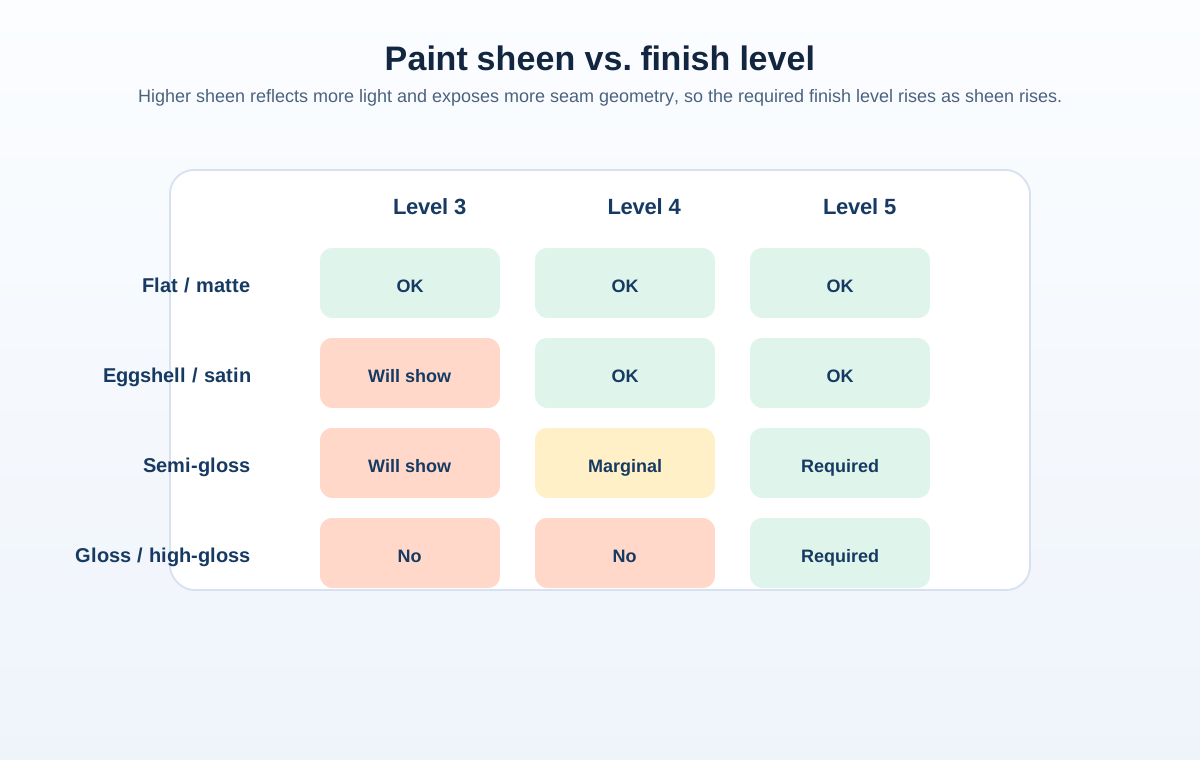
This is the most practical table in the guide because it is where many finish-level mistakes begin. The wrong finish level under the wrong sheen is the fastest route to visible seam lines after painting. [1] [3]
| Paint Sheen | Level 3 | Level 4 | Level 5 |
|---|---|---|---|
| Flat / matte | OK | OK | OK |
| Eggshell | Will show | OK | OK |
| Satin | Will show | OK | OK |
| Semi-gloss | Will show | Marginal | Required |
| Gloss / high-gloss | Will show | Will show | Required |
Texture Compatibility by Finish Level
| Texture Type | Minimum Level | Notes |
|---|---|---|
| No texture | Level 4-5 | Level 5 for gloss and side light |
| Orange peel, light | Level 3-4 | Level 4 is safer |
| Orange peel, heavy | Level 3 | Texture hides more variation |
| Knockdown | Level 3 | Standard specification |
| Skip trowel | Level 3 | Hand texture hides variation |
| Popcorn / acoustic | Level 2-3 | Heavy coverage |
Part 9: How to Identify Your Current Finish Level
Diagnosing What You Have
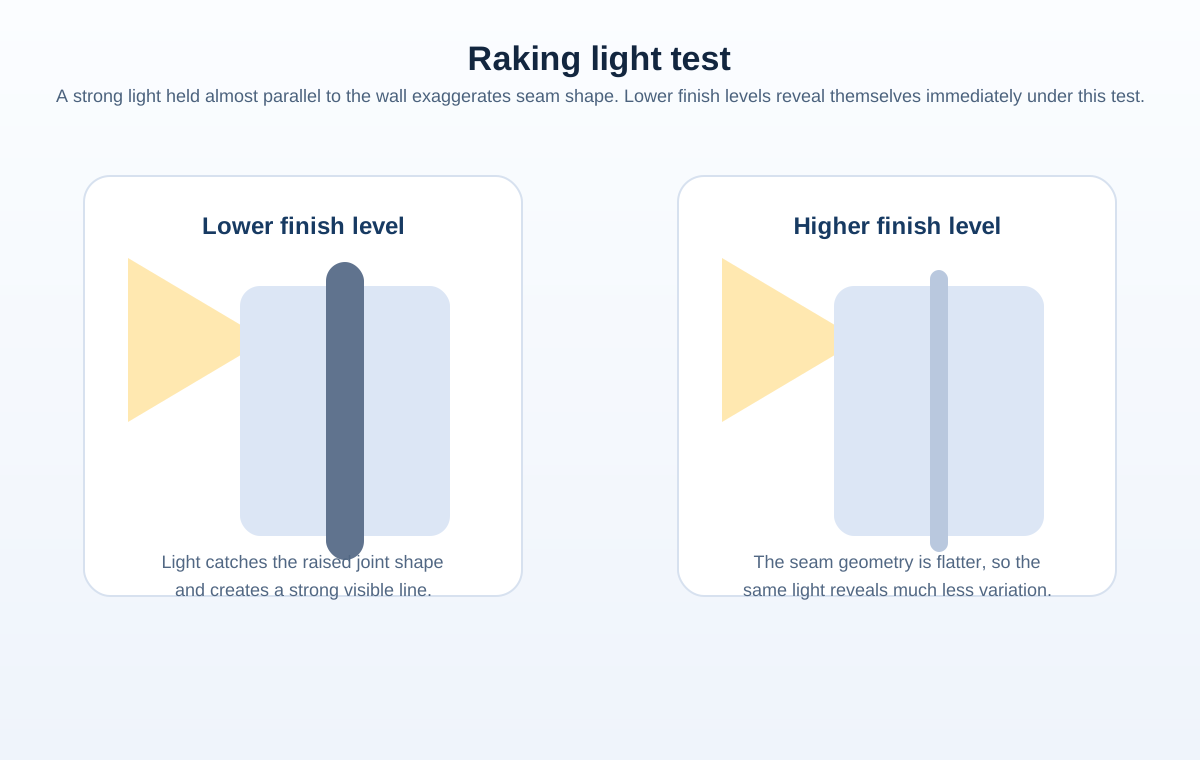
Whether you are evaluating a contractor's work or trying to understand an existing wall, the fastest way to judge finish level is with angled light. Strong sidelight reveals the shape of seams better than almost any other test. [1] [3]
Part 10: Finish Level by Room - The Complete Specification Guide
What Level Does Each Room Need?
Room type is only the starting point. The final decision still depends on paint sheen, texture, and lighting. Use this as a practical specification guide, not as an automatic rule that overrides the lighting conditions of the actual room. [1] [2] [4]
Room type also needs to be checked against the board type itself. Bathrooms, basements, garages, and specialty rooms should still be reviewed against Types of Drywall Explained before you finalize a finish-level specification. A beautifully finished wall is still the wrong wall if the underlying board choice does not match the room. [2]
Part 11: The Most Common Finish Level Mistakes
6 Specification Errors That Lead to Failed Paint Jobs
Mistake 1: Specifying Level 3 and then using eggshell paint. Level 3 under eggshell is one of the most common residential misses. Level 4 is the minimum for eggshell or satin. [1] [3]
Mistake 2: Assuming Level 4 is enough for semi-gloss in critical light. Large windows, skylights, or hard artificial sidelight can push the wall into Level 5 territory even when the room is otherwise ordinary. [3]
Mistake 3: Skipping primer after a Level 5 skim coat. Primer locks in the skim coat and helps equalize surface absorption before finish paint. [1] [2]
Mistake 4: Paying for Level 5 under heavy texture. Knockdown, skip trowel, and heavy orange peel already hide seam variation. Level 5 there is usually wasted money. [4]
Mistake 5: Ignoring lighting when choosing the level. The same Level 4 wall can look acceptable in one room and weak in another because the light pattern is different. [1] [3]
Mistake 6: Using Level 2 for tile backer and then switching the finish plan to paint. If the room design changes, the substrate level must change with it. [4]
Part 12: Finish Level Cost Impact - Full Project Analysis
How Finish Level Affects Your Total Project Cost
Finish level is one of the biggest cost variables in drywall work. Once the board is hung, the price difference between Level 2, Level 3, Level 4, and Level 5 comes from extra labor time, extra coats, extra sanding, and in Level 5, the full skim stage. [4]
| Finish Level | Full House Cost | Vs. Level 3 |
|---|---|---|
| Level 2 | $10,744 | -$1,360 |
| Level 3 | $12,920 | Baseline |
| Level 4 | $14,960 | +$2,040 |
| Level 5 | $19,040 | +$6,120 |
That does not mean Level 5 is automatically overpriced. It means the room needs to justify it. If you are using flat paint under heavy texture, Level 5 is wasted money. If you are using gloss paint in a room with strong raking light, Level 5 is the only level likely to produce the result you actually want. To compare those ranges against your own room, use the Drywall Cost Guide 2026 and the Drywall Cost Calculator. [4]
Part 13: Quick-Reference Summary
The Complete Finish Level Decision Guide
Now You Know the Level
Use the guides below to move from finish-level theory into taping sequence, board selection, pricing, and project comparison.
Read How to Tape DrywallNow You Know the Level - Here's What's Next
| Tool or Guide | What It Does |
|---|---|
| How to Tape Drywall | The complete taping sequence that gets you from bare board to a Level 4 surface. [1] |
| Types of Drywall Explained | Choose the right board before you start finishing. [2] |
| Drywall Cost Guide 2026 | See the full price difference between finish levels, labor stages, and room types. [4] |
| Drywall vs. Plaster | Compare modern drywall finish levels with plaster wall quality and performance. [3] |
| Drywall Cost Calculator | Estimate installed drywall cost by finish level and location. [4] |
Editorial note: the [1]-[4] markers in this guide refer to the finish-level, coating, lighting, and pricing assumptions used across this site's drywall tools and editorial references.