The good news is that drywall taping is a learnable skill. It follows a repeatable sequence, uses a small set of tools, and rewards patience more than raw talent. Get the sequence right, let each coat dry completely, and sand only what actually needs sanding, and the wall can look like it was finished by a pro.
This guide covers every step: tools, mud selection, flat seams, inside corners, outside corners, sanding, finish levels, and the mistakes that create visible seams. If you have just finished the board stage, read our How to Hang Drywall guide before you start mudding because screw depth, seam placement, and corner bead installation all affect how easy taping will be.
- Every tool and material you need before you start
- The exact three-coat sequence professionals use on most jobs
- How to tape flat seams, inside corners, and outside corners
- The difference between paper tape and mesh tape and when each belongs
- The most common taping mistakes and how to avoid them
- How to finish for Level 3, Level 4, or Level 5 work
Professional drywall finishing usually takes three coats of mud. Coat 1 embeds the tape, coat 2 fills the tape texture and widens the seam, and coat 3 feathers the joint thin enough to disappear after primer and paint. Level 5 adds a full skim coat over the entire wall. [1] [2]
Part 1: Tools & Materials Checklist
Everything You Need Before You Start
Stage the whole setup before you mix mud. Taping problems often start because compound is skinning over while the finisher is looking for a clean knife or more tape. [1]
The important material decision is matching the compound and tape to the coat you are applying. [1] [4]
Choosing the Right Joint Compound
Joint compound, or mud, comes in a few formulations that behave differently on the wall. Using one type for every coat works, but it is not always the easiest path to a clean result. The first coat needs bond strength. The last coat needs sandability and a smooth finish. [1] [2]
All-purpose compound
Taping compound
Topping compound
Setting compound, or hot mud
Coat 1: taping compound or setting compound
Coat 2: all-purpose or topping compound
Coat 3: topping compound
This sequence keeps the bond strong at the tape and makes the final sanding stage easier. [2]Paper Tape vs. Mesh Tape - Which to Use
Paper tape is still the standard for full seams and inside corners. Mesh tape is useful, but it is better treated as a repair tool than a universal replacement. [1] [4]
| Feature | Paper Tape | Fiberglass Mesh Tape |
|---|---|---|
| Strength | Higher | Lower |
| Crack resistance | Excellent | Moderate |
| Application | Needs a wet bed of compound | Self-adhesive on the wall surface |
| Best use | Flat seams and inside corners | Patches, repairs, selected butt joints |
| Works with setting compound | Yes | Yes, and often should [2] |
| Professional preference | Strong preference for full seams | Mainly repair work |
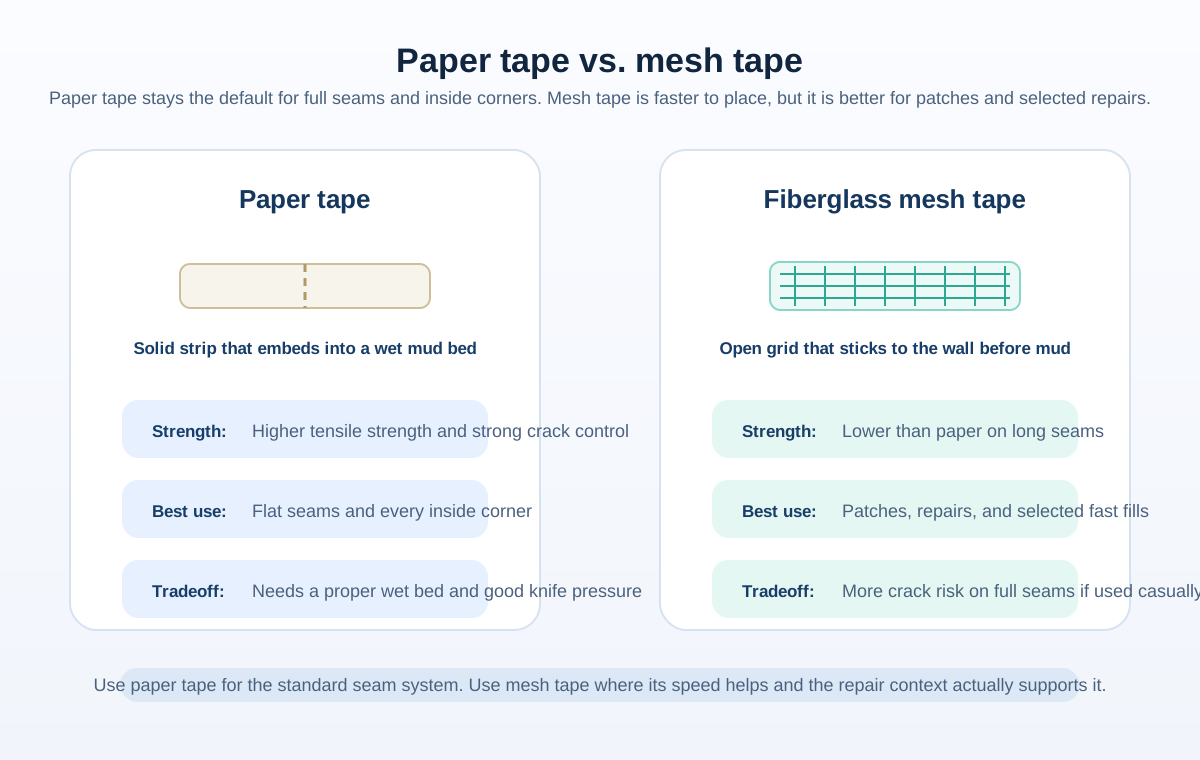
Use paper tape on flat seams and inside corners. Use mesh when the repair context actually supports it. [2]
Part 2: Preparation - Before the First Coat
Step 1: Inspect Every Screw and Seam
Before any compound touches the wall, inspect the whole room. Problems found now take seconds to fix. Problems found after the first coat dries cost time, dust, and usually a second round of sanding. [1]
Step 2: Fill Large Gaps and Damaged Areas First
Gaps wider than 1/4 inch should be pre-filled with setting compound so they do not shrink into a low spot under the tape. [2] [3]
Cut loose paper away cleanly before you tape. If the room is a bathroom, basement, or other wet zone, verify the board type first in Types of Drywall. [4]
Step 3: Mix Your Compound to the Right Consistency
Premixed compound is often too thick. Thin each batch in a separate bucket so the main pail stays clean. [1] [4]
Mix thoroughly and keep knives clean so dried crumbs do not drag ridges through the seam. [1]
Part 3: The Three-Coat Taping Sequence
The Professional Standard - Why Three Coats
Three coats remain the standard because one coat cannot embed tape, build a seam, and erase texture at the same time. [1] [2]
Coat 1 - tape coat: 4-6 in wide
Purpose: embed tape, fill screw dimples, and establish the base.Coat 2 - fill coat: 8-10 in wide
Purpose: fill tape texture and start the wide feather.Coat 3 - finish coat: 10-14 in wide
Purpose: leave the seam flat enough that sanding stays light. [1] [2]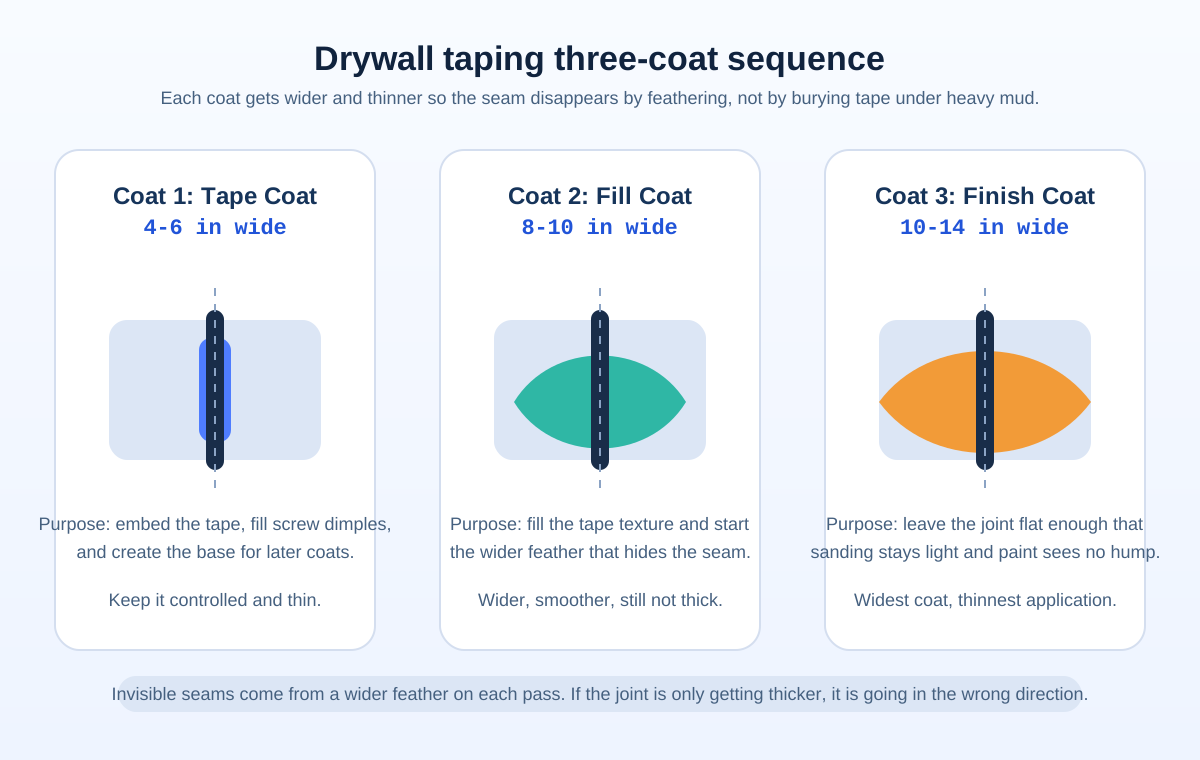
Step 4: First Coat - Embedding the Tape
The first coat is the critical one. Poorly embedded tape will bubble or lift later. [2]
Flat Seams - Tapered Edges
Tapered seams are easier because the factory bevel gives the tape and mud a recess. [1]
Butt Seams - Non-Tapered Edges
Butt seams need a much wider feather because there is no factory recess. [2] [4]
The secret is width, not thickness. Butt joints disappear by widening the feather. [2]
Step 5: First Coat - Inside Corners
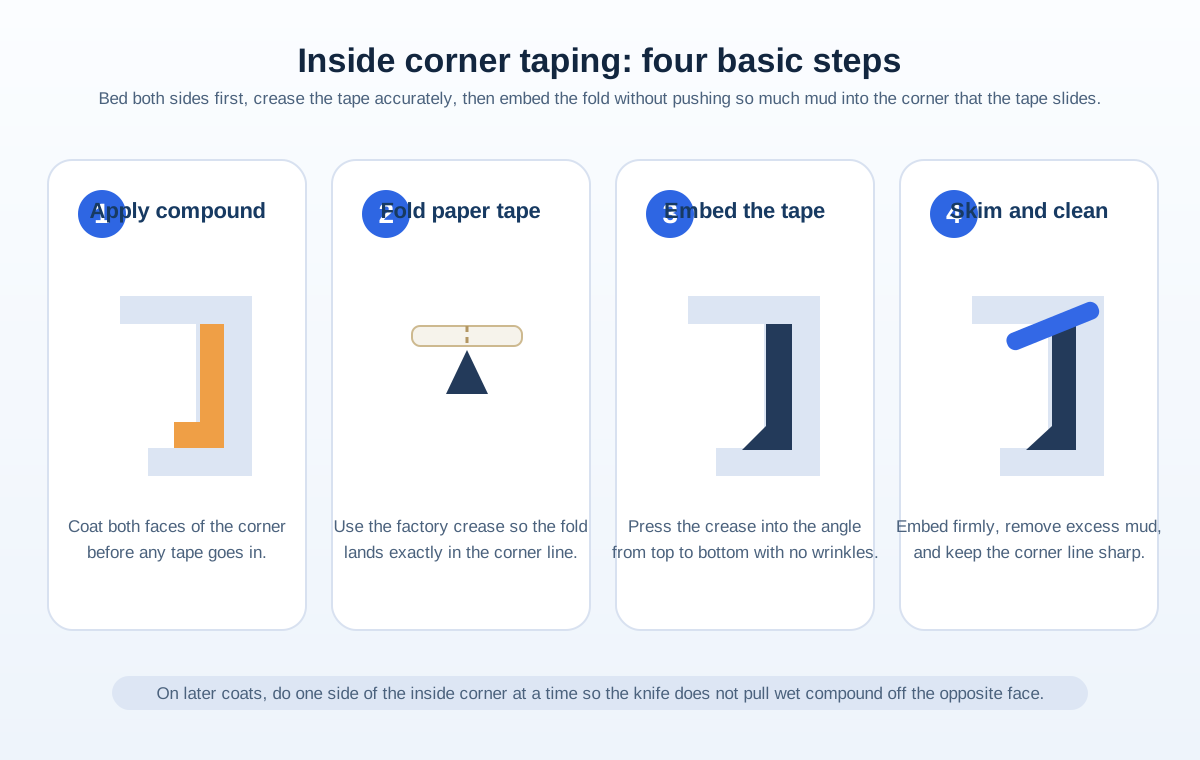
Inside corners need paper tape, a clean fold, and controlled pressure so the tape does not slide. [1] [3]
Step 6: First Coat - Outside Corners
Outside corners already have corner bead, so the goal is just to coat the flanges flush with the bead nose. [1] [4]
Step 7: Let the First Coat Dry - Completely
Do not coat over wet mud. That is how seams bubble, crack, and move under the knife. [1]
Step 8: Second Coat - The Fill Coat
The second coat fills tape texture and widens the seam. Scrape ridges before you start. [1] [4]
Step 9: Let the Second Coat Dry - Then Inspect
Inspect after coat two. This is the easiest point to catch tape failure and ridges. [2]
Step 10: Third Coat - The Finish Coat
The third coat is the thinnest and widest coat. It should erase texture, not rescue a bad seam. [1] [2]
A good third coat should need very little sanding. [1]
Part 4: Sanding
Step 11: How to Sand Drywall Correctly
Sanding should remove ridges, tool marks, and texture. It should not be the stage where you try to fix every structural problem in the seam. Low spots, bubbled tape, and visible humps need more compound or a cutout repair, not more abrasive. [1] [4]
Sand parallel to the seam direction whenever possible. Sanding across the seam can scratch the surface in a way that shows after primer, especially under critical light. [1]
- Wear an N95 respirator at minimum.
- Wear eye protection because drywall dust is highly irritating.
- Seal HVAC vents and doorways before sanding.
- Use an air purifier if you are sanding indoors.
- Wet-mop dust instead of dry sweeping it back into the air.
If dust control matters more than speed, use a damp drywall sanding sponge. Wet sanding is slower, but it keeps dust down dramatically and works especially well for small repairs, touchups, and occupied homes. [4]
Part 5: Finish Levels Explained
What Level Finish Do You Need?
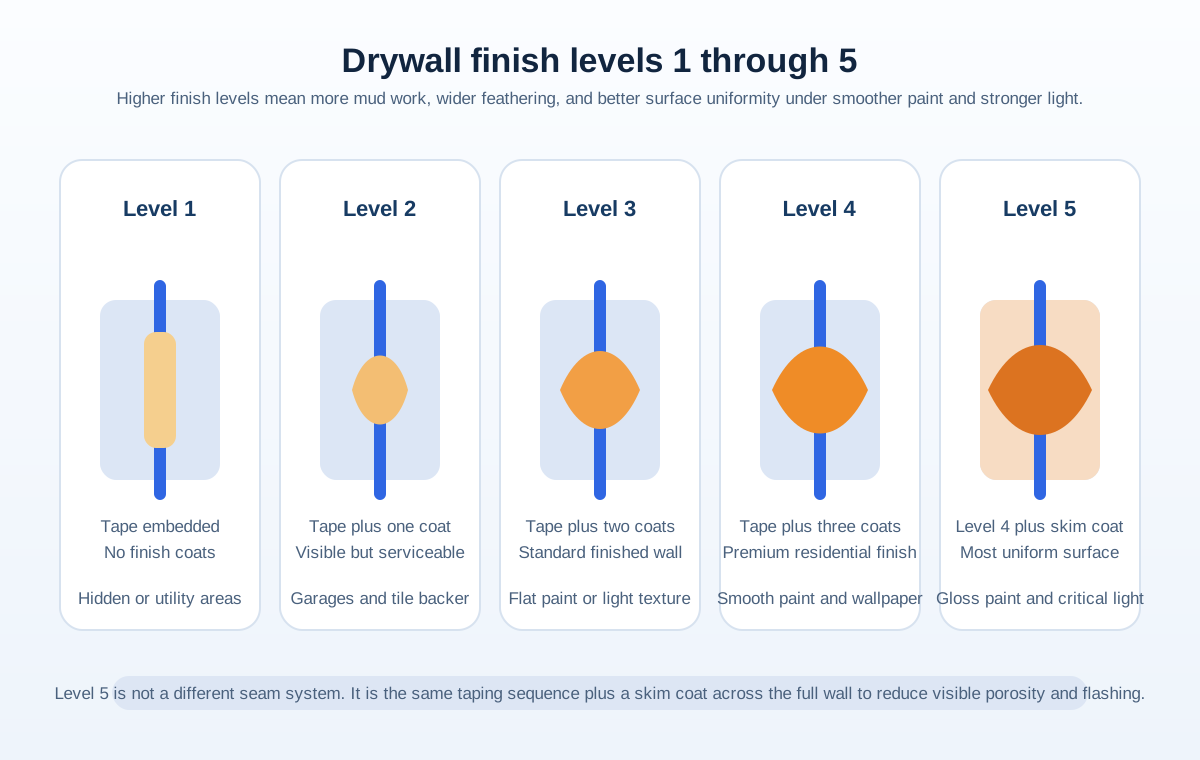
Finish level tells you how far the taping and skim process goes before paint or texture. [2]
| Level | Description | What Is Done | Ready For |
|---|---|---|---|
| Level 0 | No finishing | No tape or compound | Temporary construction |
| Level 1 | Tape only | Tape embedded, no finish coats | Concealed areas |
| Level 2 | Tape plus one coat | Tape embedded and one build coat | Garages, tile backer areas [2] |
| Level 3 | Tape plus two coats | Standard finished seam | Flat paint or light texture |
| Level 4 | Tape plus three coats | Premium residential finish | Semi-gloss paint and wallpaper [2] |
| Level 5 | Level 4 plus skim coat | Entire wall skimmed | High-gloss paint and critical light |
If you are deciding whether the extra labor is worth it, use the Drywall Cost Guide 2026 and the Drywall Cost Calculator to compare Level 4 and Level 5 pricing before you commit. Finish level is one of the biggest cost variables in drywall work. [4]
Level 5 Finish - The Skim Coat Process
Level 5 adds a skim coat over the full wall so the surface reflects paint more evenly. [2]
Use Level 5 where gloss paint or critical light will expose seam flashing. [2]
Part 6: Common Taping Mistakes
The 8 Most Expensive Taping Mistakes
Mistake 1: Recoating before the previous coat is dry. Wet mud under a new coat can bubble, crack, and move under the knife. Wait until the previous coat is fully dry. [1]
Mistake 2: Using mesh tape on full seams by default. Mesh is useful, but it is not the best general answer for long seams and inside corners. Paper tape remains the safer standard there. [2]
Mistake 3: Feathering too narrowly. Narrow seams show under paint because the transition from wall to joint is abrupt. Butt seams especially need width. [4]
Mistake 4: Applying mud too thick. Thick coats shrink more, dry slower, and crack more often. Three thin coats outperform two thick ones almost every time. [1]
Mistake 5: Skipping the scrape between coats. Dried ridges from the previous pass will print through the next coat if you do not knock them down first. [1]
Mistake 6: Overworking wet compound. Once mud starts to tack up, going back over it usually tears the surface and creates more sanding later. [2]
Mistake 7: Sanding through the drywall paper. Aggressive sanding fuzzes the paper face and creates a surface that must be sealed before paint. [4]
Mistake 8: Skipping primer. Primer equalizes porosity between paper and mud. Without it, seams often flash through finish paint. [1] [2]
Part 7: Pro Tips That Save Hours
12 Tips From Experienced Drywall Finishers
- Scrape between coats instead of sanding between coats. Scraping keeps dust down and removes the ridges that matter most. [1]
- Keep every knife edge clean. Dried crumbs on the blade create drag marks immediately. [4]
- Work one wall at a time on large rooms. That keeps compound, tools, and attention organized. [1]
- Thin each batch for the coat you are applying. One consistency does not fit every stage. [1]
- Cover compound between uses. A skin on the bucket surface turns into lumps under the knife. [4]
- Use setting compound on difficult butt joints. Lower shrinkage makes the seam easier to control. [2]
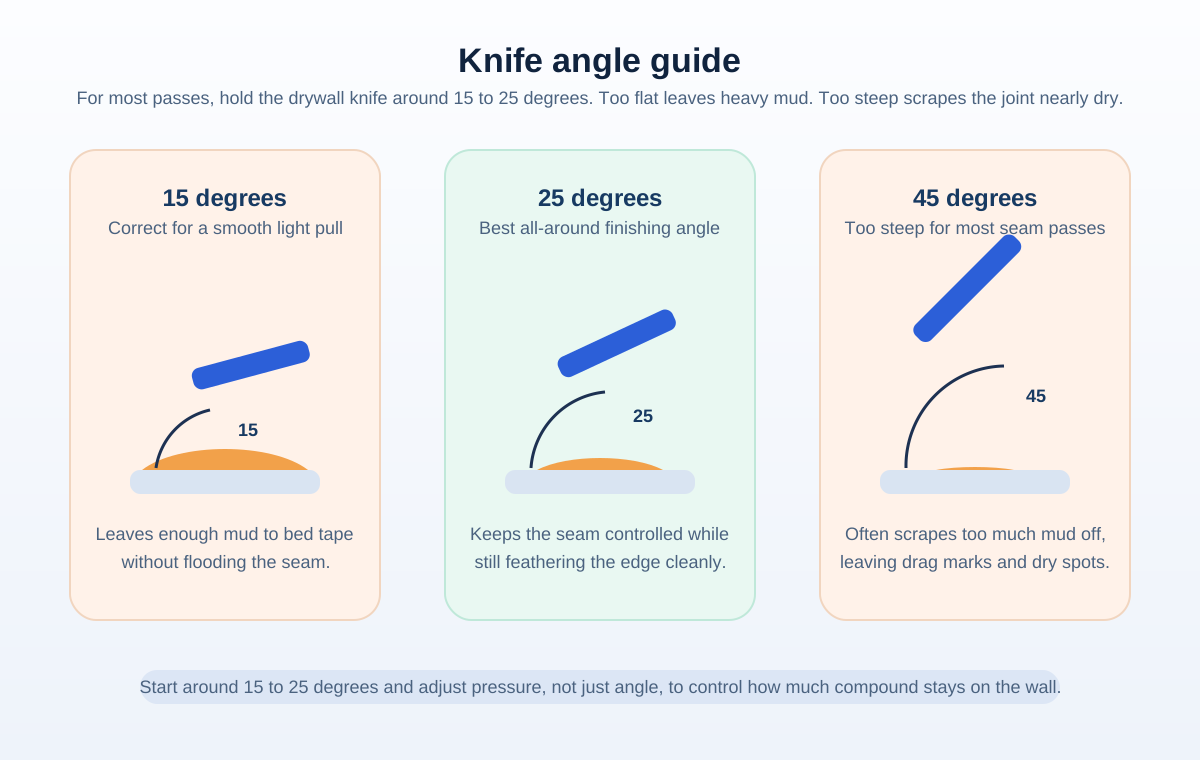
- Hold the knife around 15 to 25 degrees for most passes. That is the sweet spot between leaving too much mud and scraping too much off. [2]
- Do inside corners one side at a time on later coats. That keeps the opposite face clean. [3]
- Use the corner bead nose as a guide. It helps you keep outside corners straight and consistent. [1]
- Check with raking light before sanding. The defects that matter show up best from the side. [4]
- Sand parallel to seams. Cross-scratching can show through paint under strong light. [1]
- Prime before painting every time. The finish coat only looks finished after the wall is sealed properly. [1] [2]
Part 8: Ceiling Taping - Special Considerations
Why Ceilings Are Harder to Tape
Ceiling taping follows the same sequence as walls, but gravity and overhead light make mistakes easier to see. [3]
If the ceiling framing is wide or the room is humid, review Types of Drywall Explained before you assume standard board was the right base panel. [3] [4]
Part 9: Quick-Reference Summary
The Complete Taping Sequence Checklist
Ready for the Next Step?
| Tool or Guide | What It Does |
|---|---|
| How to Hang Drywall | The step before taping: layout, fastening, seam placement, and screw patterns. [1] |
| Types of Drywall Explained | Choose the right board for bathrooms, ceilings, garages, basements, and specialty rooms. [2] |
| Drywall Cost Guide 2026 | See current pricing for hanging, taping, mudding, sanding, and complete finish levels. [4] |
| Drywall Calculator | Calculate room square footage and sheet count before you buy or finish. [3] |
| Drywall Cost Calculator | Estimate total project cost including finish-level labor and material assumptions. [1] |
Editorial note: the [1]-[4] markers in this guide refer to the cost, finish-sequence, product-type, and installation assumptions used across this site's drywall guides and tools.